Developmenet Site


Unexploded Ordnance | Marine
Understanding the past. Managing risk. Enabling development.
Unexploded Ordnance (UXO) remains a significant consideration for marine development, with historical conflict, naval mining, military training and munitions disposal leaving a legacy of explosive hazards across the world's seabeds. These hazards can affect offshore wind farms, subsea cables, interconnectors, pipelines, ports, dredging and other marine infrastructure, particularly where construction, maintenance or seabed disturbance may interact with previously undetected ordnance.
Dolomite provides independent marine UXO risk assessment, management and technical assurance, supporting clients from early development through construction, operations and decommissioning. Combining historical intelligence, geoscience, quantitative risk assessment and specialist technical expertise, we establish credible hazards, challenge uncertainty and identify proportionate mitigation measures.
Our approach is supported by our integrated tools providing continuity from initial hazard screening through to independent ALARP assurance. We represent our clients' interests independently of physical survey, investigation and clearance contracting. This integration helps reduce uncertainty, identify unnecessary investigation and maintain continuity between project development, offshore operations and long-term asset management.
Our Toolkit
Dolomite have developed four key tools to address the needs of UXO risk management.
Hazardous Identification
Historical intelligence, geospatial hazard screening and rapid identification of potential UXO threats. Supports earlier project decisions.

Risk Assessment
Quantified, transparent and repeatable risk assessment. Helps justify proportionate mitigation and earlier ALARP decisions.
Predictive Modeling
Predictive UXO numbers, mitigation planning and investigation forecasts. Improves programme and cost certainty.

Geophysical Interpretation
Integrated geophysical interpretation, anomaly classification and target discrimination. Helps reduce unnecessary investigation.
Our Approach
Stage 1 – Hazard Assessment
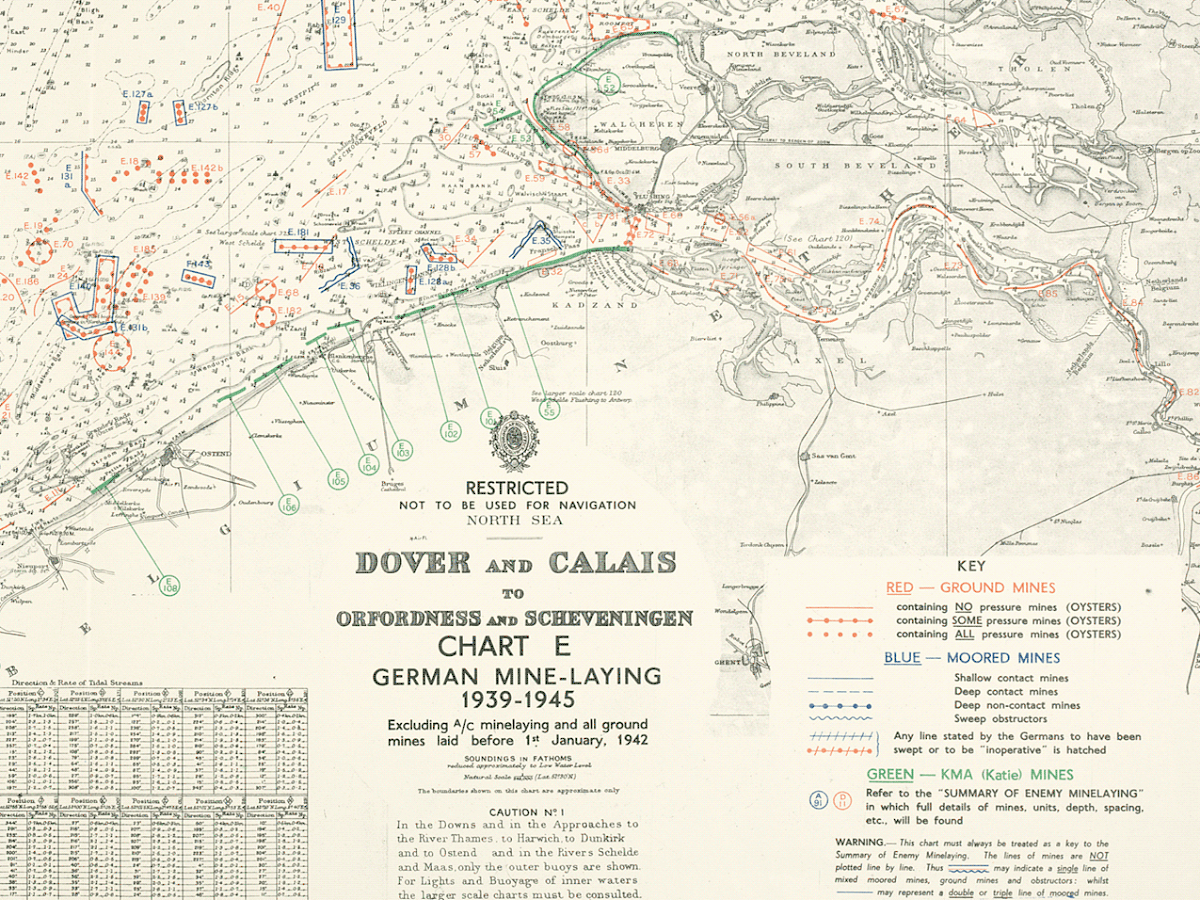
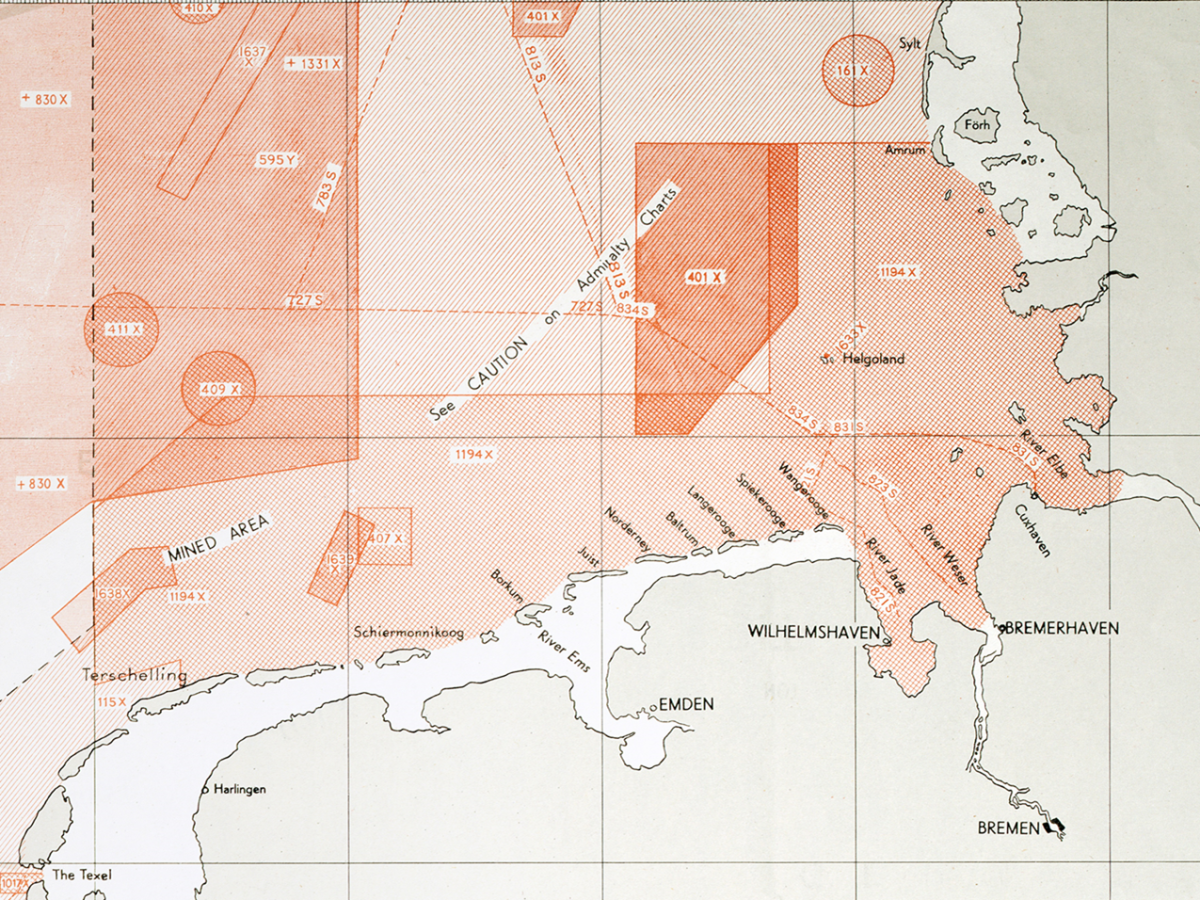
Understanding the historical context is fundamental to establishing the potential presence of UXO. Dolomite combines military records, historical mine warfare, bombing and disposal information, reported ordnance discoveries and geospatial intelligence to identify potential hazards. Our Atlas historical intelligence database integrates these sources to produce geographical hazard screening maps and project-specific threat assessments.
Atlas supports rapid preliminary screening, helping clients evaluate development opportunities, identify higher-risk areas and determine the need for further assessment. For limited activities and smaller project scopes, the available evidence may support early decisions without the level of investigation required for major offshore developments. The outcome is an Atlas-informed hazard assessment that establishes potential UXO threats and provides the evidence for subsequent risk evaluation.
Stage 2 – Risk Assessment and Mitigation
The potential presence of UXO does not automatically justify extensive investigation or clearance. Dolomite assesses the likelihood and consequences of UXO interaction, considering ordnance characteristics, seabed conditions, burial, proposed activities and the potential effects on personnel, vessels and infrastructure.
Our Benchmark risk assessment framework supports quantified, consistent and repeatable evaluation, reducing subjective judgement and providing a transparent basis for mitigation decisions. Where appropriate, we incorporate explosive consequence assessment, considering water depth, separation distances, vessel or structure characteristics and operational methods.
Assessments are tailored to the activity, from ground investigation and construction to cable repair, maintenance and decommissioning. Our objective is to establish an ALARP position as early as the available evidence allows, avoiding unnecessary survey or intervention where further measures cannot reasonably be justified.
Stage 3 – Client Risk Management Plan
Dolomite develops a project-specific risk management plan that balances safety, engineering requirements, environmental protection, programme and cost. Our approach prioritises hazard avoidance, design optimisation and targeted intervention before committing to extensive investigation or clearance.
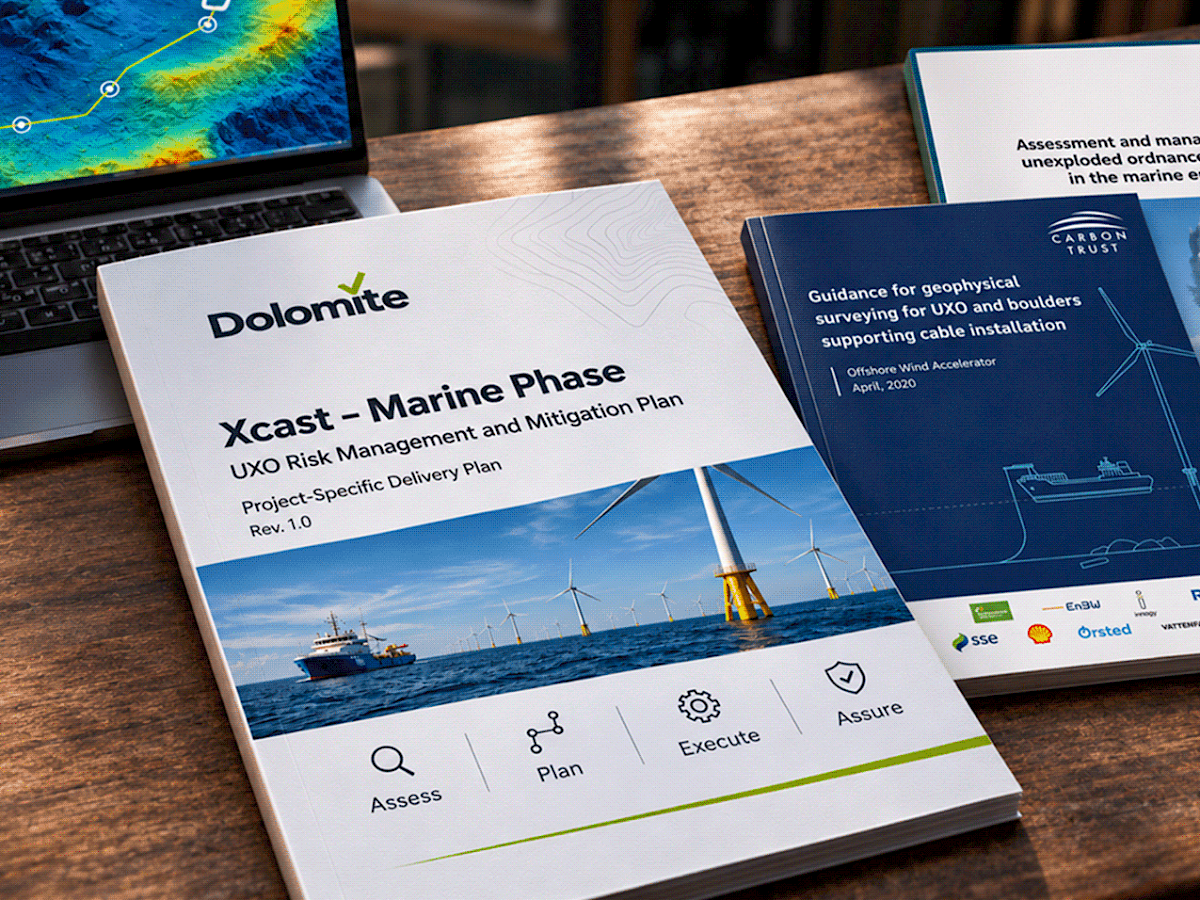
Our Xcast planning tools support predictive UXO numbers, mitigation planning, survey data quality objectives and the evaluation of programme and cost implications. Working with the client and project team, we define technical requirements, contractor responsibilities, survey specifications, QA/QC procedures, decision gates and completion criteria. We also consider micro-siting, route optimisation, alternative construction methodologies and opportunities to make better use of existing survey information.
Stage 4 – Geophysical Survey
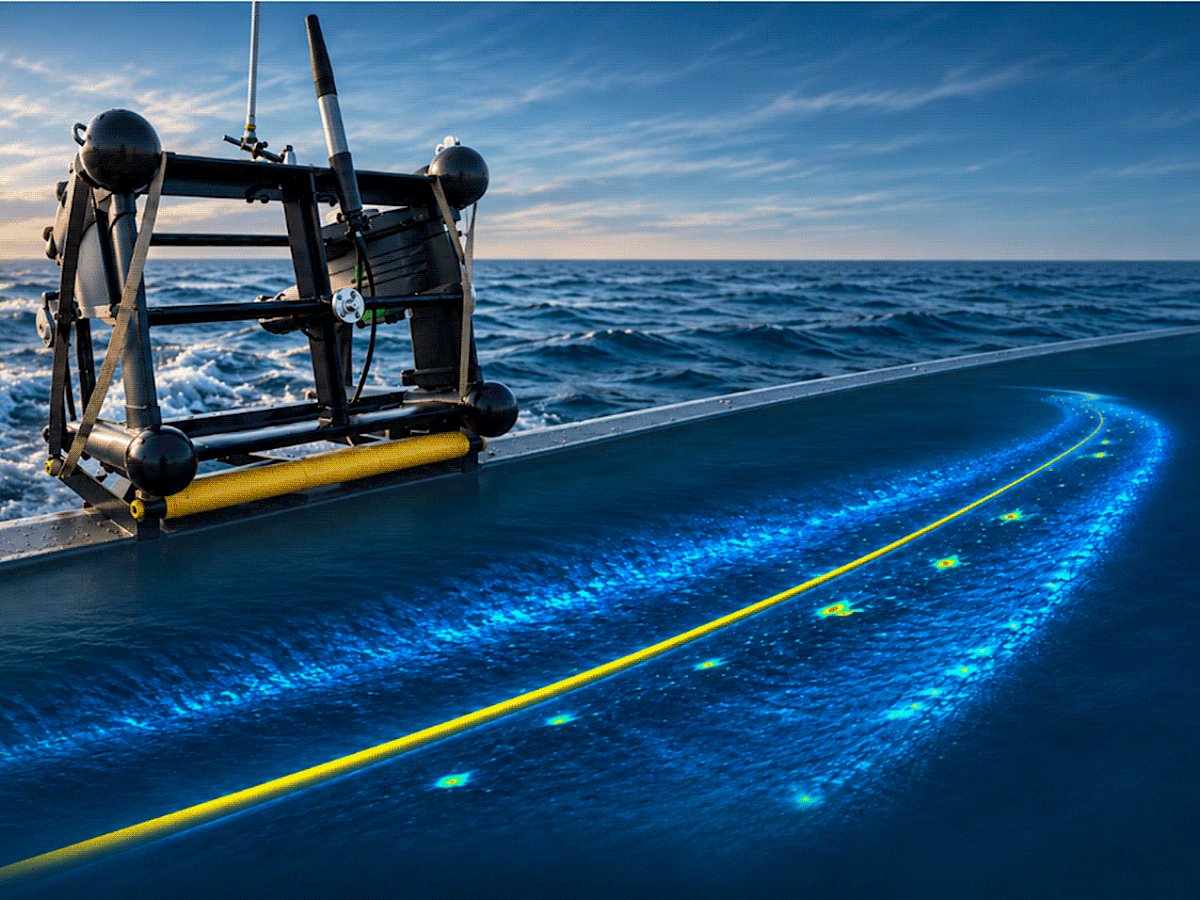
Effective risk management depends on acquiring reliable survey data appropriate to the hazards and decisions being assessed. Dolomite provides independent geoscience expertise throughout survey planning, acquisition and quality assurance.
We establish fit-for-purpose technical specifications, detection requirements, mobilisation tests, positioning verification, coverage criteria and data acceptance standards. Our expertise includes magnetometry, acoustic survey methods, seabed characterisation and complementary technologies such as Sub-Bottom Imaging (SBI).
We apply targeted offshore and remote QA/QC, challenging survey performance and identifying data-quality issues before they compromise interpretation or lead to costly rework.
Where appropriate, we evaluate alternative platforms, sensor configurations and processing methods to improve detection confidence and survey efficiency.
Independently verified, fit-for-purpose survey data that supports reliable interpretation and informed project decisions.
Stage 5 – Geophysical Data Assessment
Survey data must be converted into reliable, actionable evidence before decisions are made about target investigation and clearance.
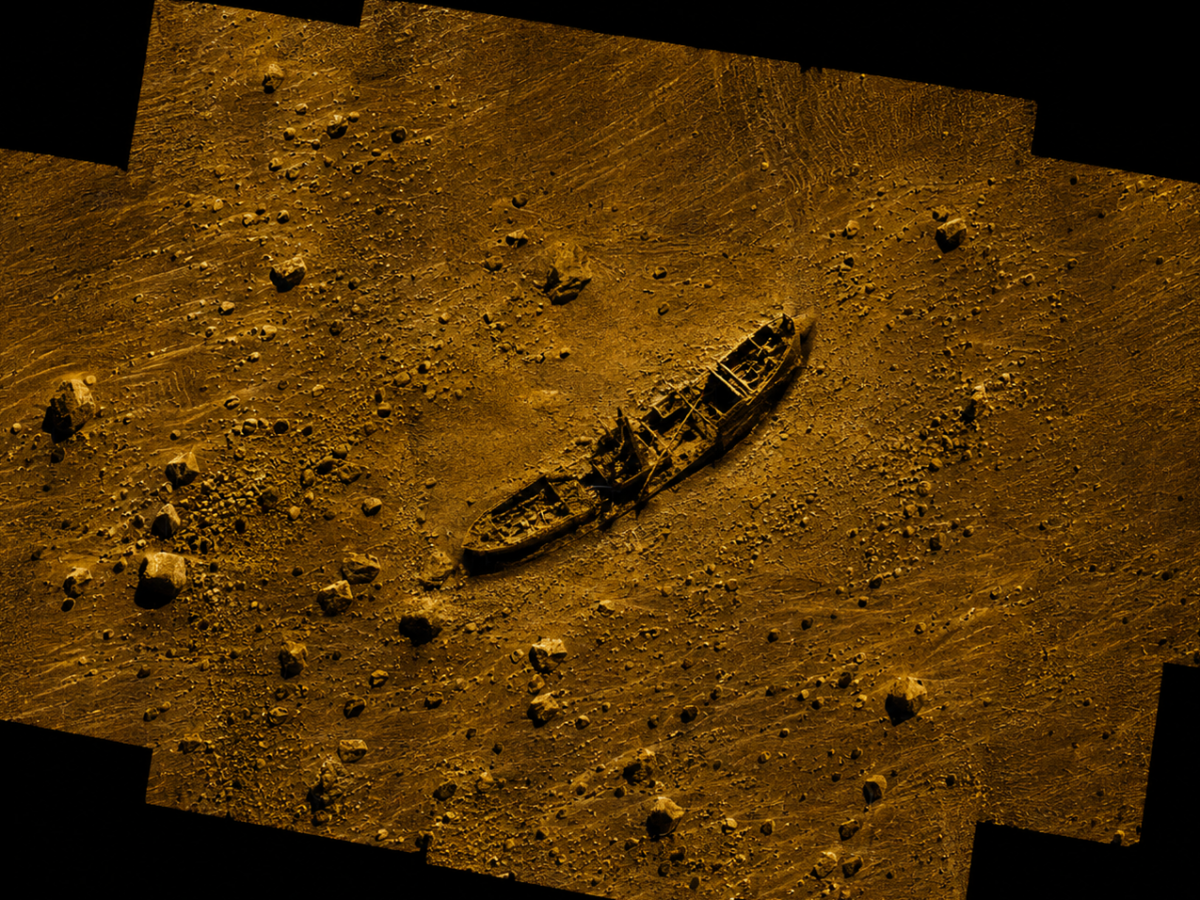
Our Focus geophysical assessment tools support integrated interpretation, anomaly characterisation, target classification and evidence-based discrimination between potential UXO and non-UXO features. We combine magnetic, acoustic and other relevant datasets with historical intelligence, seabed conditions and previous investigation results.
Particular attention is given to detection capability, coverage, positional accuracy, processing artefacts, geological interference and uncertainties in target characteristics. Where justified, complementary technologies, including SBI, can provide additional information that improves confidence in target classification.
Interpretation results are fed back into the risk assessment, enabling mitigation requirements to be refined as the evidence improves.
Stage 6 – Risk Analysis, Investigation & Disposal
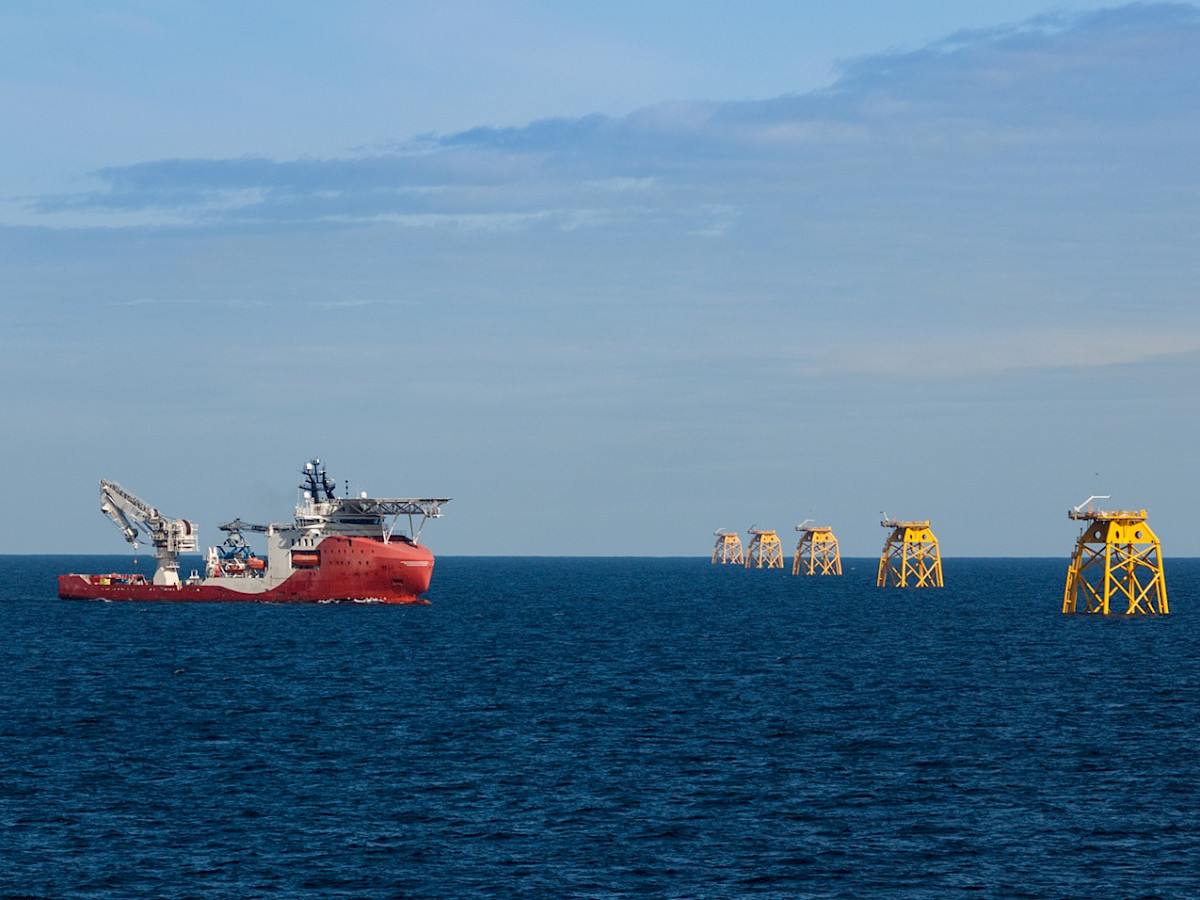
Dolomite provides independent management and technical oversight of potential UXO investigation, identification and any necessary clearance or disposal activities. Before committing to intervention, we consider whether avoidance, micro-siting, additional data analysis or changes in construction methodology offer a more proportionate solution.
Our approach integrates geophysical interpretation, target classification, seabed conditions and project-specific risk requirements to refine investigation priorities. During offshore operations, our Client Representatives provide independent technical oversight, supported by WebGIS target tracking, investigation records and progress reporting.
Where UXO is confirmed, we coordinate specialist consequence assessments covering explosive effects, personnel safety, infrastructure, third-party risks and environmental impacts. We support the evaluation of appropriate intervention methods, including relocation, controlled disposal and lower-noise techniques where justified and authorised.

Stage 7 – ALARP Assurance
Effective marine UXO risk management requires clear evidence that appropriate measures have been implemented and residual risks are understood. Our Assure framework supports the structured review of historical assessments, survey evidence, investigation results, mitigation records and outstanding risks.
We establish clear decision gates throughout delivery, enabling the independent verification of ALARP positions against the agreed activities, evidence and acceptance criteria. Where justified, this supports progressive assurance of individual work areas or activities without waiting for unrelated investigations to conclude.
Our involvement extends into operations and maintenance, ensuring residual-risk information is retained and available to support future seabed activities, cable repairs and asset interventions.
Industry Standards & Governance
Dolomite's approach is informed by recognised industry guidance, applicable legislation and international good practice.
Central to our approach is CIRIA C754 — Assessment and management of unexploded ordnance (UXO) risk in the marine environment, covering risk assessment and mitigation throughout the marine project lifecycle. We also take account of the Carbon Trust Offshore Wind Accelerator's Guidance for Geophysical Surveying for Unexploded Ordnance and Boulders Supporting Cable Installation, which provides relevant guidance on survey specification, data quality and technical reporting.
Where applicable, we consider International Mine Action Standards (IMAS), including IMAS 09.60 for underwater explosive ordnance survey and clearance, within its defined scope.
For UK projects, our approach takes account of the UK Government Joint Position Statement on UXO Clearance in the Marine Environment (2025) and its accompanying guidance on minimising environmental impacts. We also consider the JNCC 2025 guidelines for minimising the risk of injury to marine mammals from UXO clearance, together with relevant environmental assessment and mitigation requirements.These frameworks reinforce the importance of hazard avoidance, proportionate intervention and the preference for lower-noise clearance methods where UXO must be removed.
We support clients in identifying applicable marine licensing, environmental assessment, nature conservation and operational safety requirements. Within UK waters, these may include the Marine and Coastal Access Act 2009, the Marine (Scotland) Act 2010, relevant environmental impact assessment requirements and applicable marine habitat and species protection legislation.
For North-East Atlantic projects, we also consider the OSPAR Convention and its recommendations for reporting encounters with conventional and chemical munitions.
For international projects, we identify the relevant national regulatory, technical and contractor competence requirements. These may include the Netherlands CS-OOO certification scheme for explosive ordnance detection and relevant CS-VROO historical investigation and risk-analysis certification provisions, together with Germany's Explosives Act (Sprengstoffgesetz), including §7 authorisation requirements where applicable.
Our Services
- Marine UXO Hazard Screening and Risk Assessment
- UXO Risk Management Plans and Mitigation Strategies
- Independent Geophysical Survey Planning and QA/QC
- Geophysical Data Assessment and Target Classification
- Data-Informed Investigation and Clearance Management
- Offshore Client Representation and Technical Supervision
- Blast and Explosive Consequence Assessment
- Operations and Maintenance UXO Risk Management
- Residual Risk Assessment and ALAR Assurance