Developmenet Site


Chemical Warfare Agents | CWA
Assessing the past. Managing the future.
Chemical Warfare Agents (CWA) and legacy chemical munitions present complex hazards to people, infrastructure and the environment. Historical disposal areas, transport routes and surrounding marine and coastal environments can retain potentially hazardous materials long after military activities have ended.
Over time, corrosion and physical degradation can compromise the integrity of chemical munitions and containers, creating uncertainty around their condition, distribution and potential for chemical release. These hazards are particularly relevant to offshore energy, subsea cables, interconnectors, pipelines, ports, dredging and coastal development, where seabed disturbance can introduce new exposure pathways.
Dolomite provides independent CWA risk assessment, management and technical assurance services to commercial projects worldwide. Combining historical intelligence, geoscience, environmental evidence and specialist technical expertise, we help clients understand potential hazards, manage uncertainty and establish proportionate measures that support safe and environmentally responsible development.
Our Approach
Stage 1 – Historical Intelligence & CWA Hazard Profiling
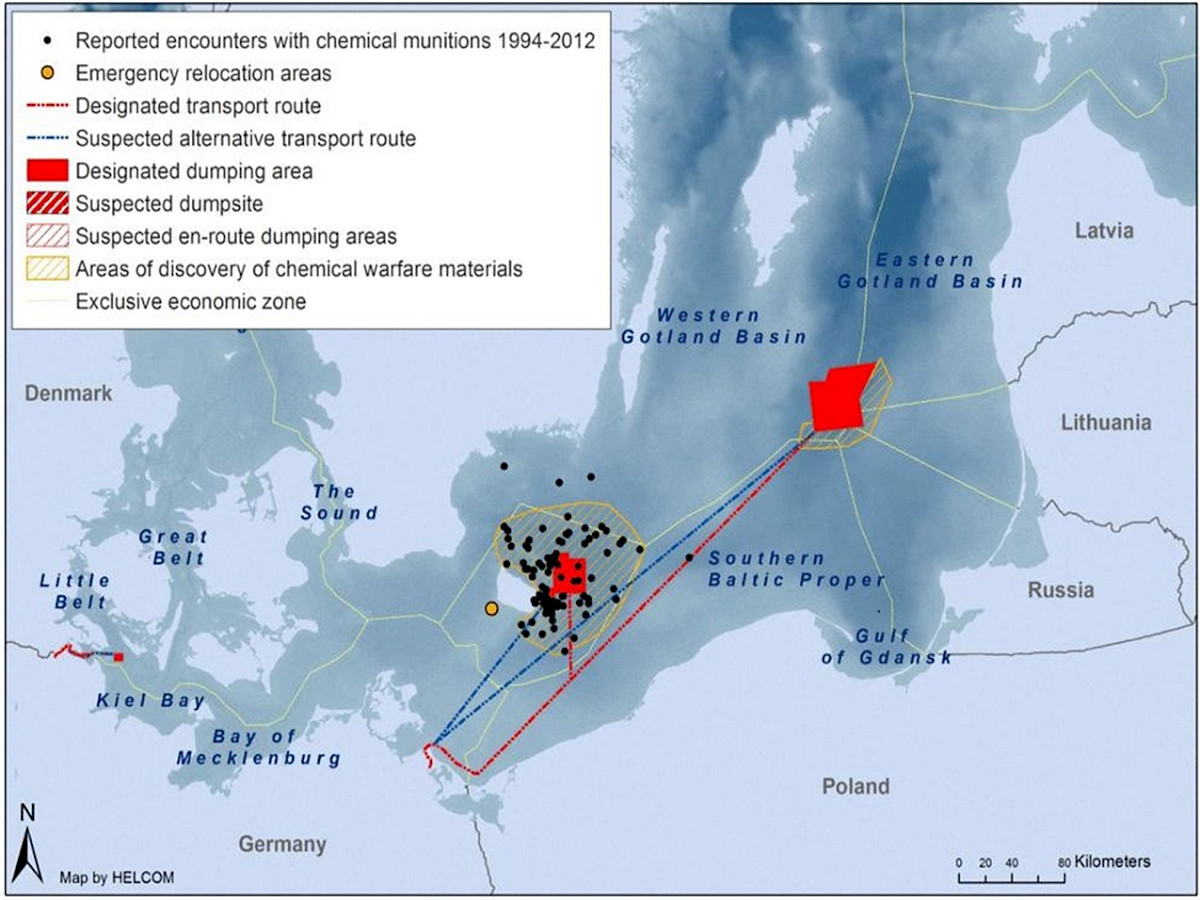
Effective CWA risk management begins with understanding the historical activities that may have introduced chemical munitions or contamination into the project environment. Dolomite combines military records, historical disposal information, previous investigations, environmental data and geospatial intelligence to establish the potential nature, location and distribution of chemical hazards.
Our Atlas historical intelligence database supports this process by bringing together historical sources, known dumping grounds, transport routes and military activities within a geographical framework. We consider the potential condition and persistence of chemical agents, associated explosive hazards and the implications of planned activities.
Importantly, we recognise that contamination may extend beyond designated disposal areas, particularly where materials were discarded along historical transport routes or where records remain incomplete. The assessment identifies credible hazards, uncertainties, potential exposure pathways and the requirements for further investigation, mitigation and personnel awareness.
Stage 2 – Exposure Assessment & Risk Management Strategy
Where potential chemical hazards are identified, Dolomite develops a project-specific risk management plan addressing personnel safety, environmental protection, regulatory obligations and operational requirements. Our approach evaluates potential exposure pathways and prioritises hazard avoidance, minimising disturbance and proportionate intervention.
Depending on the assessed risks, measures may include route optimisation, geophysical investigation, remote inspection, environmental sampling, specialist chemical analysis, controlled working procedures, targeted intervention and monitoring. We consider the risks and consequences of both intervention and non-intervention, recognising that disturbing deteriorating chemical munitions may introduce additional hazards to personnel and the marine environment.
The strategy also establishes requirements for specialist contractor competence, environmental controls, emergency response, regulatory engagement and workforce education and training. Our objective is to identify a practical and defensible route forward that manages risk without unnecessary intervention, environmental disturbance, programme disruption or cost.
Stage 3 – Specialist Investigation & Risk Control
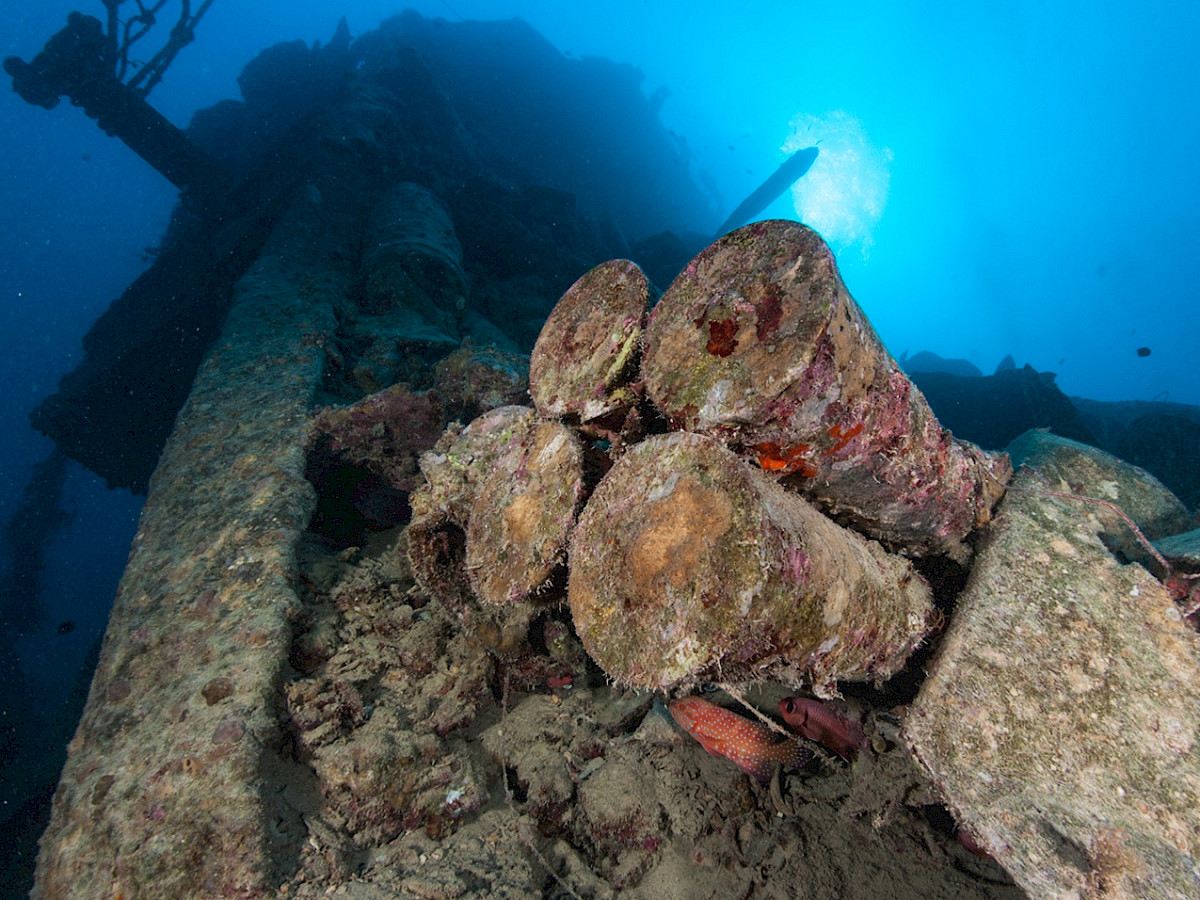
Dolomite provides independent management and technical oversight of the investigation and mitigation measures required to implement the agreed risk management strategy. Working with appropriately qualified and authorised specialists, we coordinate and assure geophysical surveys, remote inspections, environmental investigations, chemical analysis and, where justified, specialist intervention and remediation activities.
Our involvement includes contractor coordination, technical supervision, data quality assurance, operational safety and the management of emerging environmental and chemical risks. We recognise that identifying a potential munition does not establish its chemical contents. Historical intelligence, geophysical interpretation, visual inspection and specialist chemical analysis provide complementary evidence, each with different capabilities and limitations.
As new information becomes available, we review the risk assessment and adapt investigation methods, mitigation measures and operational controls accordingly. We also support chemical hazard awareness training, operational briefings and emergency response arrangements, ensuring personnel understand potential exposure risks and the appropriate actions following an unexpected discovery. Our role is to ensure that investigation and mitigation activities remain proportionate, technically defensible and aligned with the client's wider project requirements.
Stage 4 – Environmental Assurance & Residual Risk
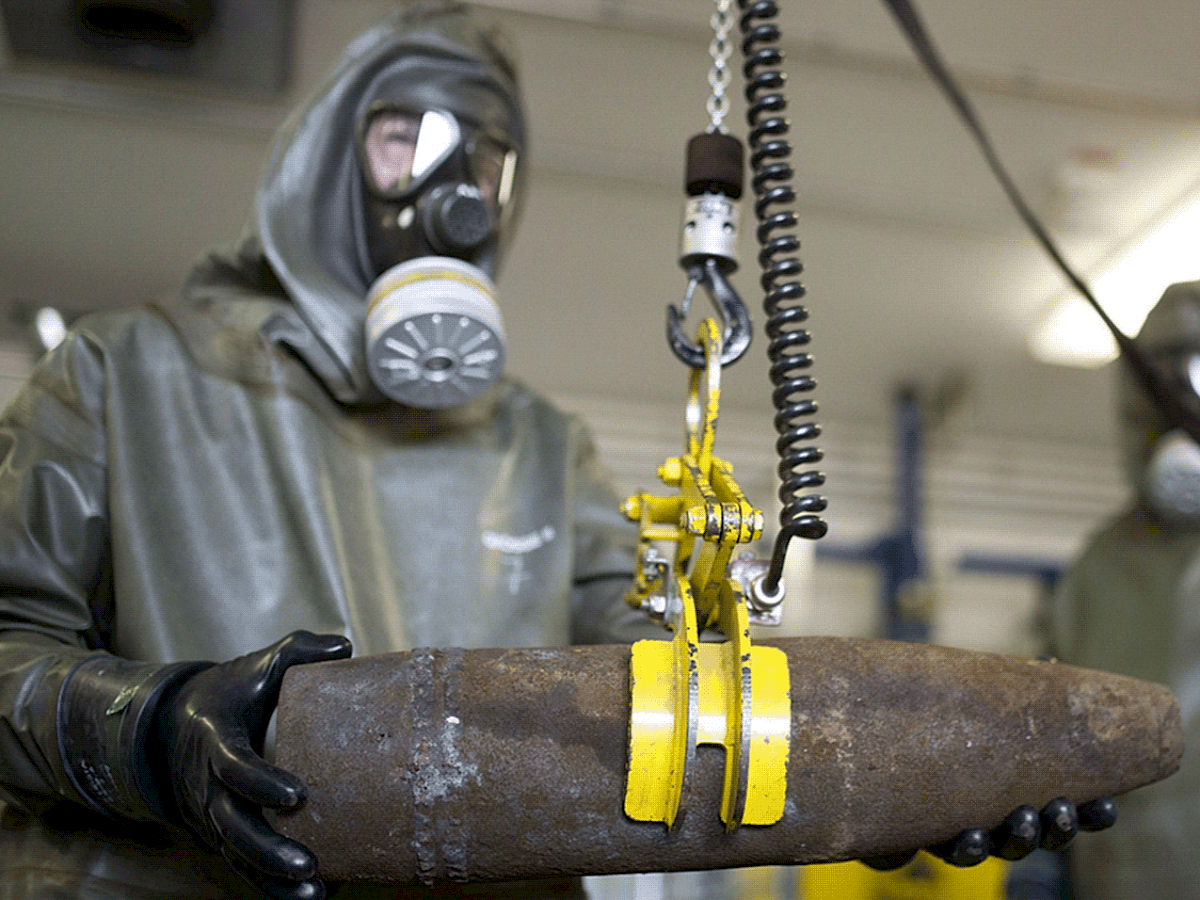
Effective CWA risk management requires confidence that agreed measures have been implemented and that residual chemical, explosive and environmental risks are understood. Dolomite independently reviews investigation evidence, chemical analysis, environmental monitoring information and mitigation records to evaluate the effectiveness of completed activities.
We assess the quality and limitations of the evidence, verify completion against agreed requirements and establish a defensible residual-risk position. Where appropriate, this includes ALARP assessment, independent technical assurance and support for regulatory submissions and acceptance processes.
Our involvement can continue throughout construction and operational activities, including ongoing monitoring support, updated assessments, technical advice, refresher training and response planning. The objective is to provide a clear record of what has been assessed, what measures have been implemented, what risks remain and how those risks should be managed in the future.
International Standards & Governance
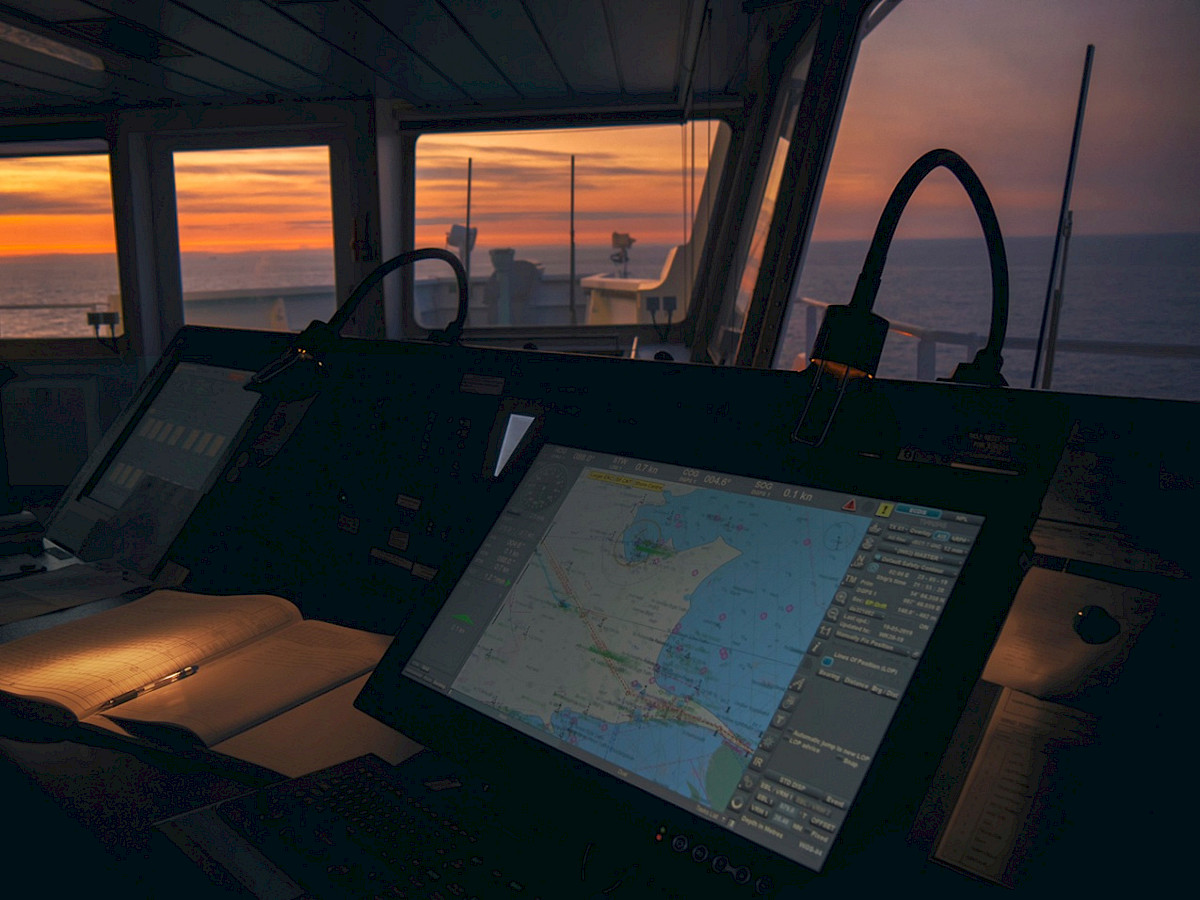
Dolomite's approach is informed by internationally recognised conventions, regional environmental frameworks, technical guidance and applicable national legislation. These include the Chemical Weapons Convention (CWC) and relevant guidance from the Organisation for the Prohibition of Chemical Weapons (OPCW), subject to the Convention's specific provisions for historical chemical weapons.
Within the Baltic Sea, we draw upon the work of the Helsinki Commission (HELCOM), including its chemical munitions assessments, hazardous submerged objects research and the Baltic Sea Action Plan. Our approach also takes account of developing international initiatives such as MUNIMAP, which supports risk assessment, site prioritisation, monitoring and environmentally responsible remediation.
Where applicable, we consider the OSPAR Convention and its recommendations on the reporting and management of dumped chemical and conventional munitions within the North-East Atlantic. We recognise that legal obligations, environmental permitting, intervention requirements and operational responsibilities differ between jurisdictions. We therefore identify the relevant project-specific requirements, support engagement with competent authorities and incorporate agreed compliance measures into the risk management strategy.
Our objective is to translate recognised international good practice into practical, environmentally responsible and commercially proportionate risk management.
Our Services
- CWA Risk Assessment
- CWA Risk Management Plans
- Survey, Investigation and Remediation Management
- Independent Site Supervision and On-Call Support
- Chemical Hazard Awareness, Education and Training
- Residual Risk Assessment and ALARP Assurance